

approx. 9 min. reading time

Sustainable quality engineering benefits more than just the environment (2/3)
Written by Stefan Mohacsi /
October 2026

Table of Contents:
Introduction
In the first part of this blog series, we introduced the different dimensions of sustainability and analysed their relationship with the quality engineering process. In the second part, we will give concrete recommendations for improving the sustainability of your quality engineering activities and present the UN Sustainable Development Goals.

Recommendations for
Sustainable Quality
Engineering
Education
Sustainability is usually not a major topic during a quality engineer’s education. While the candidates shouldn’t be encumbered with too much theoretical background, we feel that at least the following basic concepts should be included in the syllabi:
- What is sustainability and why should I consider it as a SW quality engineer?
- What are the sustainability dimensions most relevant to quality engineering? (Environmental, Technical, and Economic Sustainability)
- Which measures and decisions throughout the quality engineering process affect sustainability?
Test Management
Since test managers are responsible for many decisions that affect sustainability, it is particularly important to raise their awareness for the topic.
- Test planning involves many decisions that affect testing effort and resource consumption.
- The choice of test strategy, test methods and test coverage is crucial for the testing effort. The goal is maximum risk coverage with minimal testing effort.
- The sustainability properties of the SW under test should also be taken into account.
- In the test completion phase, potentially reusable test artifacts should be identified.

Test Case Design
- When reviewing requirements, user stories, and design documents, testability, resource consumption, and other sustainability aspects should be considered.
- If a significant impact on sustainability is identified during the review, a more detailed assessment should be performed in which a score for the various sustainability dimensions is assigned. This will make it possible to measure sustainability coverage throughout the project. The participants in the assessment should include different stakeholders such as software engineers, business experts, and the test manager.
- Focusing on essential test cases and avoiding redundant tests saves effort and resources.
- In test design, a modular structure of test steps helps to increase reusability and maintainability.
Code Quality Engineering
- A technical quality engineer should check from a white-box perspective whether the system under test is resource-efficient and easily maintainable.
- Code reviews and static analysis can identify error states and risks early on, thus helping to save costs and resources (shift-left).
- Static analysis is also used to evaluate maintainability. Since maintainability has an impact on effort, cost, and the consumption of energy, it strongly affects sustainability.
Test Execution
- Test execution should be prioritized based on risk, test coverage, and changes to the codebase.
- Testing and monitoring of energy consumption helps to determine whether the application and test framework are environmentally friendly. Since processors account for a significant share of power consumption, measuring their load can provide a rough estimate of the power they consume.
- Test automation can save time and effort and is thus important for economic sustainability. On the other hand, resource-efficiency needs to be kept in mind when planning the strategy. Redundancies need to be avoided, and tests should only be run if value is added.
Quality Engineering and AI
- When testing an AI-based system, resource-efficiency should be a major focus that is already considered during system design. Concrete goals and KPIs should be defined and monitored throughout the project.
- As we have pointed out, the use of AI for generating artifacts such as code or test cases can save a lot of time but also consumes vast amounts of energy. This needs to be considered before a decision to use AI for a certain task is made.
- If AI is used, the energy consumption should be kept as low as possible, e.g., by choosing an adequate model, designing efficient prompts and providing the appropriate context.
Model-based Testing
- Model-based testing has a particular benefit on sustainability since it significantly improves the maintainability of the test specification.
- Instead of having to change each test case individually, it is only necessary to change the model at a few points to generate an updated set of test cases or scripts.
Performance Testing
- Performance testing with a large number of simulated users can consume a lot of resources. To ensure sustainability, it is therefore crucial to plan the tests as resource-efficiently as possible.
- Performance tests should only be executed when necessary and with a number of users that is adequate for the current test goal.
UN Sustainable Development Goals
Overview
In 2015, the United Nations Member States adopted 17 Sustainable Development Goals (SDGs) that cover social, economic, and environmental sustainability. It is important to recognize that an action in one area can affect the outcome of the others.
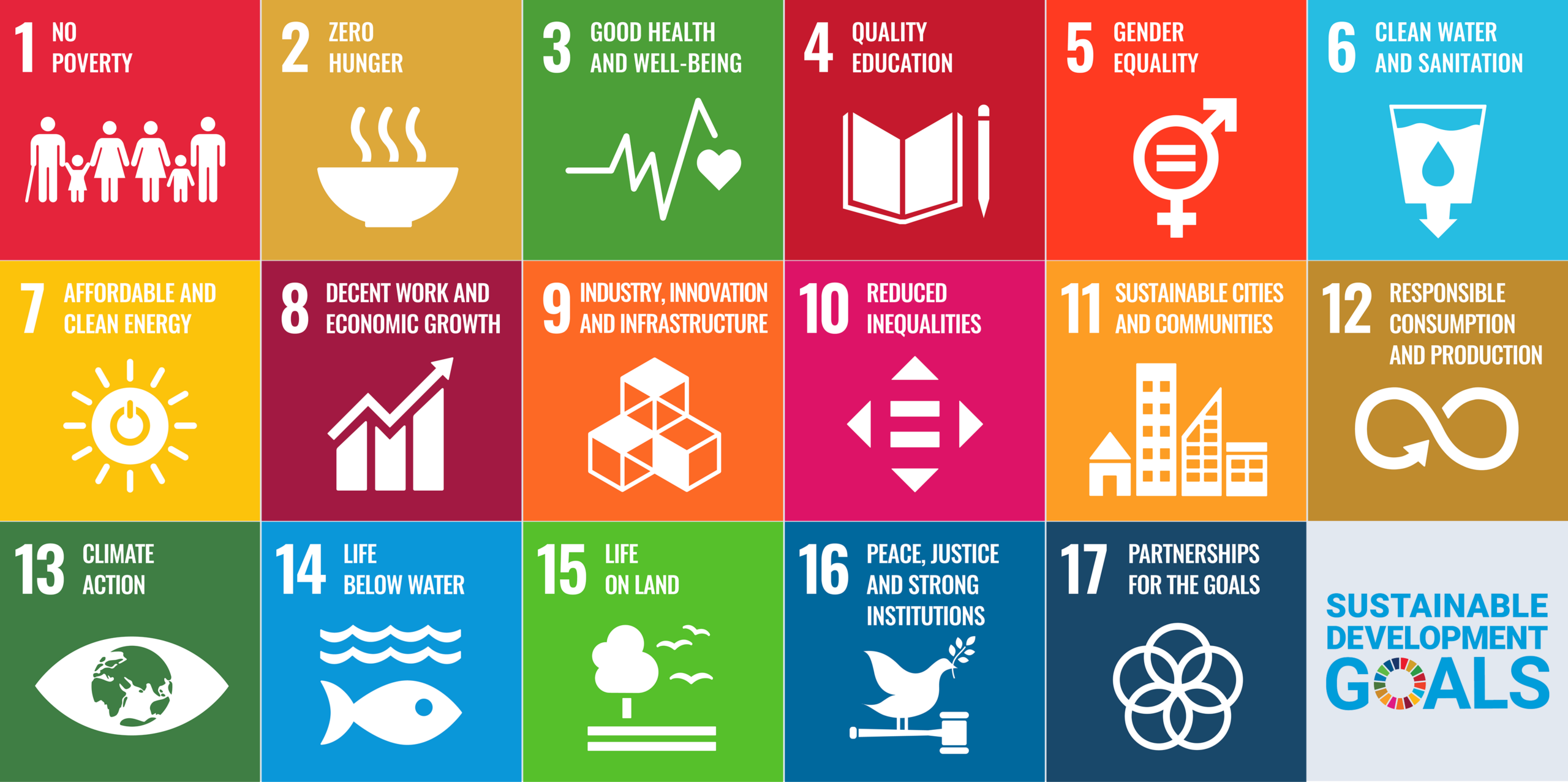
While sustainable quality engineering is not equally important to all of these goals, it can have direct or indirect influence on the following areas:
- Goal 4: Quality Education
- Goal 7: Affordable and Clean Energy
- Goal 8: Decent Work and Economic Growth
- Goal 9: Industry, Innovation, and Infrastructure
- Goal 13: Climate Action
Impact of Quality Engineering

Goal 4: Quality Education
SDG 4 aims at ensuring inclusive and equitable quality education and promoting lifelong learning opportunities for all.
A professional certification scheme for quality engineering supports goals 4.3 (access to affordable and quality technical education) and 4.4 (increase number of adults with relevant technical skills). It also has a positive effect on promoting IT technology in developing countries (goals 4.B and 4.C). The inclusion of sustainability aspects in the syllabi improves the education of testers and helps them to reduce their carbon footprint.
Quality engineering – especially in the context of education, software, and organizational processes can have a meaningful positive impact in several ways:
- Improve the quality of education by ensuring the quality of digital learning platforms, educational software, and assessment systems
- Promoting equal access and inclusion by verifying accessibility features and reducing bias in algorithms and digital assessments

Goal 7: Affordable and Clean Energy
SDG 7 aims at ensuring access to affordable, reliable, sustainable and modern energy.
As shown in the previous part of this blog, the ICT sector has a significant impact on energy consumption. Several aspects of quality engineering have a considerable effect on goal 7.3 (improving energy efficiency), both by using less energy for SW testing and by building more energy-efficient SW.
- Many quality engineering activities have an effect on energy consumption (test strategy, systematic test methods, test automation, reusability and maintainability of test artifacts etc.).
- Performance testing uses a lot of bandwidth, energy, and other resources. Therefore, it is important to consider resource-efficiency when planning the performance test strategy.
- Test automation can save energy, e.g., by reducing the time for test execution. On the other hand, a poor test automation strategy can also waste energy, e.g., by repeating irrelevant test cases in every single test run.
- AI is using enormous amounts of energy. Therefore, building energy-efficient AI systems has to be a focus point of AI quality engineering.
- Using AI for quality engineering is problematic due to its high energy consumption. However, it also has the potential for saving energy by speeding up time-intensive tasks such as test case creation or maintenance.
- Model-based testing is particularly beneficial for reducing the effort for test case maintenance
- Applying systematic test methods rather than redundant or random testing improves testing efficiency
- The decisions of the test manager affect all of the aforementioned areas. Therefore, the test manager should always be aware of the effects on energy efficiency.

Goal 8: Decent Work and Economic Growth
SDG 8 aims at promoting sustained, inclusive and sustainable economic growth, full and productive employment, and decent work for all.
Goals 8.2 (higher level of economic productivity) and 8.4 (improve global resource efficiency) are supported by several quality engineering aspects. A certification scheme also has a positive effect on helping people to get education and find decent jobs (goals 8.5 and 8.6).
Quality engineering can positively influence this goal across economic, social, and organizational dimensions:
- Improve product quality and economic stability
- Support innovation and digital transformation
- Create and preserve high-quality jobs
- Ensure ethical and responsible use of technology
Goal 9: Industry, Innovation, and Infrastructure
SDG 9 focuses on building resilient infrastructure, promoting inclusive and sustainable industrialization, and fostering innovation.
As already explained in goals 4 and 7, a certification scheme for quality engineering can improve the technical capabilities of developing countries and promote resource-use efficiency (goals 9.4 and 9.5)
Quality engineering plays a key role in supporting this goal by ensuring that technological progress is reliable, resilient, and responsible:
- Build resilient and reliable infrastructure
- Enabling sustainable innovation by integrating testing early and continuously
- Support sustainable industrialization by detecting inefficiencies in production and digital processes
- Ensure long-term maintainability of systems
- Ensure and improve quality and safety standards

Goal 13: Climate Action
SDG 13 focuses on taking urgent action to combat climate change and its impacts.
As already explained in goal 7 and our analysis, quality engineering can have a huge impact on reducing greenhouse gas emissions through improved energy efficiency. Also, if sustainability aspects are included in the syllabi for quality engineering, this would improve education and raise awareness on climate change issues.
Outlook
The third part of this blog will tackle the contentious issue of sustainable quality engineering vs. AI and answer questions such as “What are the areas of conflict?” and “What are possible synergies and opportunities?”.
The ISTQB boards for the D.A.CH region are currently addressing the topic of “Sustainable Quality Engineering.” The working group comprises Lilia Gargouri and Dietrich Leimsner (GTB), Alessandro Sebaste and Reto Armuzzi (STB), as well as Armin Beer and Stefan Mohacsi (ATB). Preliminary findings have been summarized in a white paper scheduled for imminent publication on the ISTQB website. This three-part blog post offers an exclusive preview of the content.