

approx. 8 min. reading time

Sustainable quality engineering benefits more than just the environment (1/3)
Written by Stefan Mohacsi /
September 2026

Table of Contents:

Energy Consumption of the ICT Sector
The combination of exponential data growth, energy-intensive AI workloads, a flood of IoT devices, limited net efficiency gains (rebound effect), and the ongoing expansion of communications infrastructure is driving up ICT energy consumption. If these trends continue unabated, the ICT sector could indeed become the largest single energy consumer worldwide by 2030.
The required energy comes from an energy mix that is largely, around two-thirds, derived from non-renewable energy sources. As a result, the software in the ICT industry already accounts for a significant proportion of greenhouse gas emissions. Thus, there is a clear need to discuss the issue of sustainability in the ICT industry.
In addition, ICT systems are becoming increasingly complex and interconnected. This requires development and test, especially when it comes to ensuring the quality of services. However, it is impossible to test everything or to guarantee that something works as expected. We must view quality as a strategic goal.
What is Sustainability?
Definition
The term sustainability derives from the Latin word sustinere which means protecting, preserving and retaining. The Brundtland Commission [1] defines sustainability as follows:
“[..] meeting the needs of the present without compromising the ability of future generations to meet their own needs”
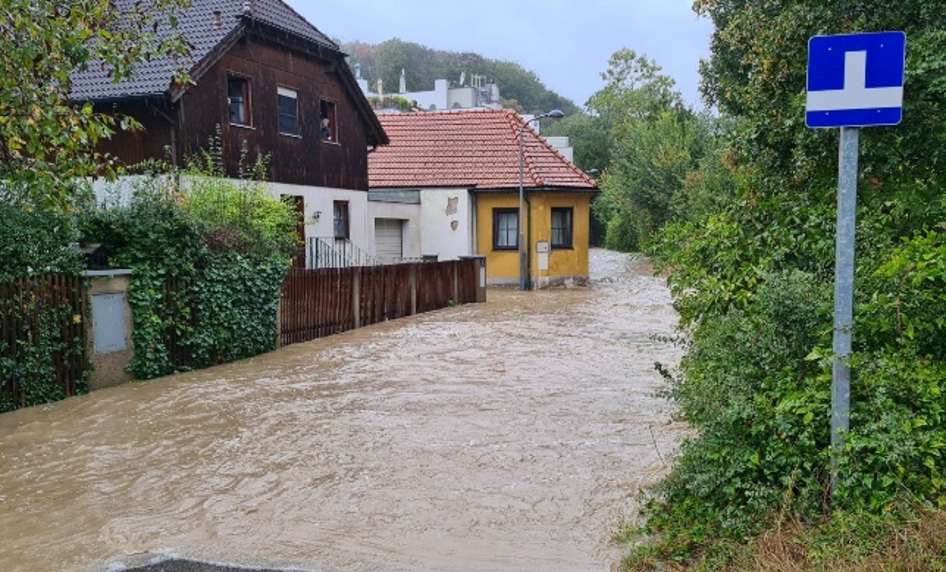

Figure 1: The youngest generation is watching the current developments with concern (flooding of the Mauerbach in Vienna, Stefan Mohacsi 2024)
Typical goals include avoiding the waste of non-renewable resources, protecting the climate, and creating durable and maintainable products.
Sustainability Dimensions
Penzenstadler and Femmer [2] propose a generic sustainability framework for software engineering to improve sustainability in organizations. There are five distinct sustainability dimensions: environmental, technical, economic, individual, and social sustainability.
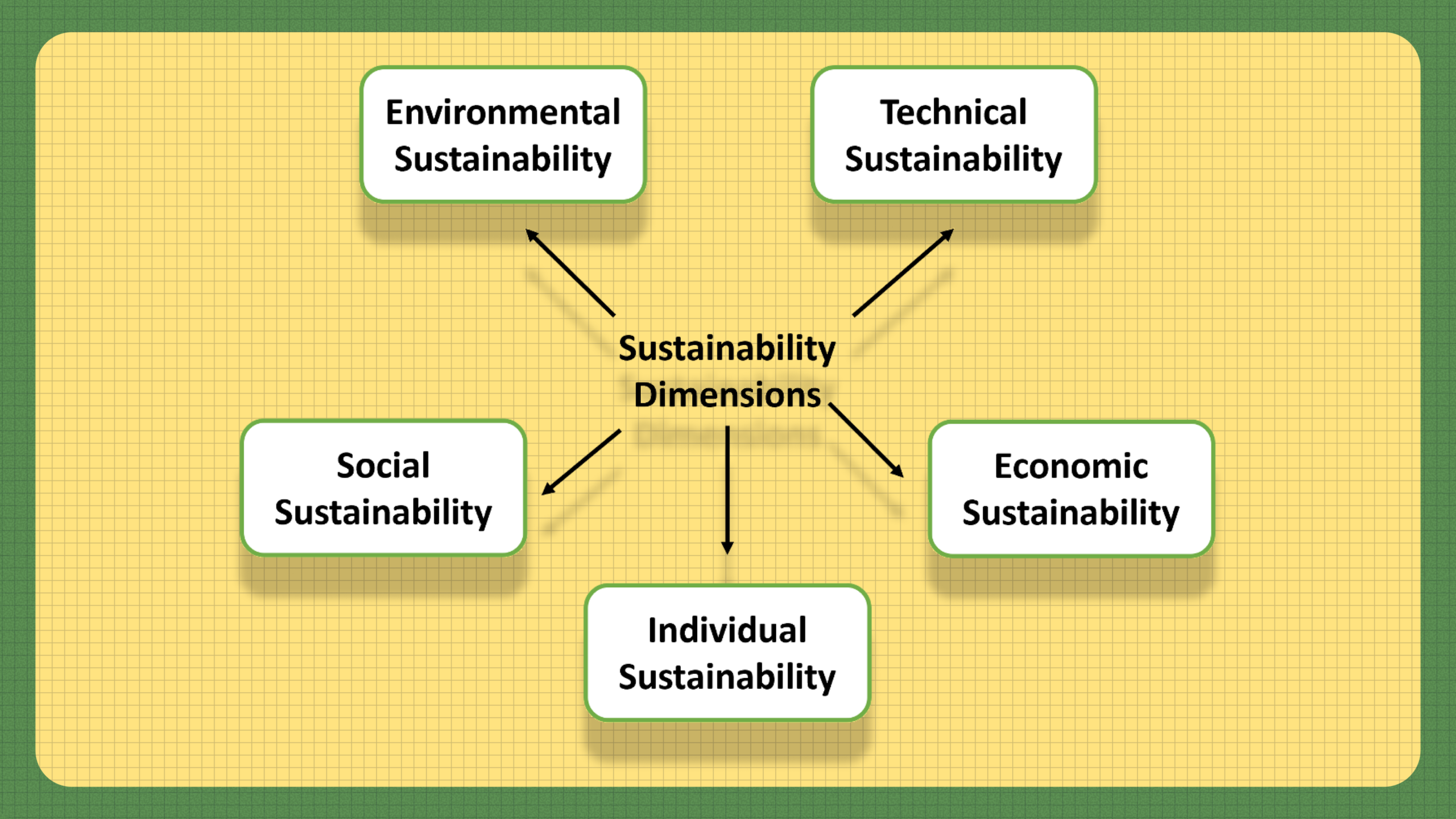
Figure 2: Sustainability Dimensions
- Environmental sustainability: This is probably the most well-known dimension. Protecting the environment and Earth’s climate is also relevant to the testing process, where hardware resources are used that might consume vast amounts of energy. The “GREENSOFT Model” [3] provides a conceptual reference model and guidance that can be used as a starting point.
- Technical sustainability: Maintainability and ease of use in future updates should be key considerations in technical decisions. A lack of testability leads to an increase in complexity from version to version and reduces the comprehensibility and quality of test cases. For instance, a lack of knowledge sharing between developers and testers, and a lack of technology management lead to flawed decisions in long-term planning.
- Economic sustainability: This should be assessed in advance of any IT project or financial decision. It can be achieved primarily by considering the anticipated costs and expected benefits, for example, when deciding about the introduction of test automation. This investment might cause considerable costs at the start but pays off after several test runs. What is more, NOT making this investment might cause enormous costs later and jeopardize the whole project.
- Individual Sustainability: From the perspective of a project team member, work-life balance, career opportunities, and job satisfaction are more important than ever. When recruiting new employees, it’s crucial to offer them opportunities to implement innovations and engage in interesting, long-term projects. Prioritizing a healthy work-life balance and employee well-being can foster long-term commitment to the company.
- Social Sustainability: Social sustainability refers to the interaction of all stakeholders throughout the organization and within the test team. It encompasses the recruitment of suitable employees, the maturity of the testing process, flexible working arrangements, and team cohesion.
Sustainability and Quality Engineering
What does sustainability have to do with software development and testing? A simple example is, protecting the environment by considering energy efficiency in software design and test planning. Such sustainability engineering requires a paradigm shift in several factors, including project organization, team structure, and prioritization of quality characteristics.
There are two main questions that need to be addressed:
- How can software testing be performed in a sustainable way?
Since software testing requires resources, it is important to do it in a way that is efficient and effective. Therefore, sustainability should be considered during test planning as well as in later phases of the test process.
- How can the sustainability of a software system be tested?
If we consider sustainability to be a quality characteristic, we can also test the software for this characteristic. By testing we can demonstrate and measure sustainability.
Sustainable Quality Engineering
This refers to practices and strategies used in software testing that aim at reducing resource consumption and environmental impact. It involves creating efficient test processes that minimize energy use, optimize hardware utilization, and reduce the carbon footprint of testing activities. The goal is to achieve software quality while being mindful of ecological sustainability.
Testing the Sustainability of Software Systems
This focuses on evaluating how environmentally friendly a piece of software is over its entire lifecycle. It includes assessing factors such as energy efficiency, resource consumption, and the software’s impact on hardware longevity. The testing process ensures that the software adheres to sustainability principles, such as reducing energy waste during execution and promoting efficient use of system resources.
Analysis of the Quality Engineering Process
Goals
To answer the question of how quality engineering can be implemented sustainably, we analyzed common testing activities and processes in terms of their relationship to sustainability.
Specifically, we sought to determine the following:
- Which topics and activities are relevant to sustainable quality engineering?
- Which sustainability dimensions are affected?
- Which phases of the testing process are affected?
- Are there relevant aspects of sustainable quality engineering that currently receive insufficient attention in practice?
Approach
First, we listed all topics and activities within the scope of quality engineering where we perceived the likelihood of a significant impact on sustainability to be highest. In addition to assigning a weighting, we mapped the relevant test phases and sustainability dimensions to each point. We focused on economic, technical, and ecological sustainability, while excluding the social and individual dimensions due to a lack of sufficient data.
Overall Results
The overview picture shows that test planning is the crucial phase for sustainability. While it is also possible to improve sustainability in later phases, this might be more difficult if the wrong decisions were made at the beginning of the project.
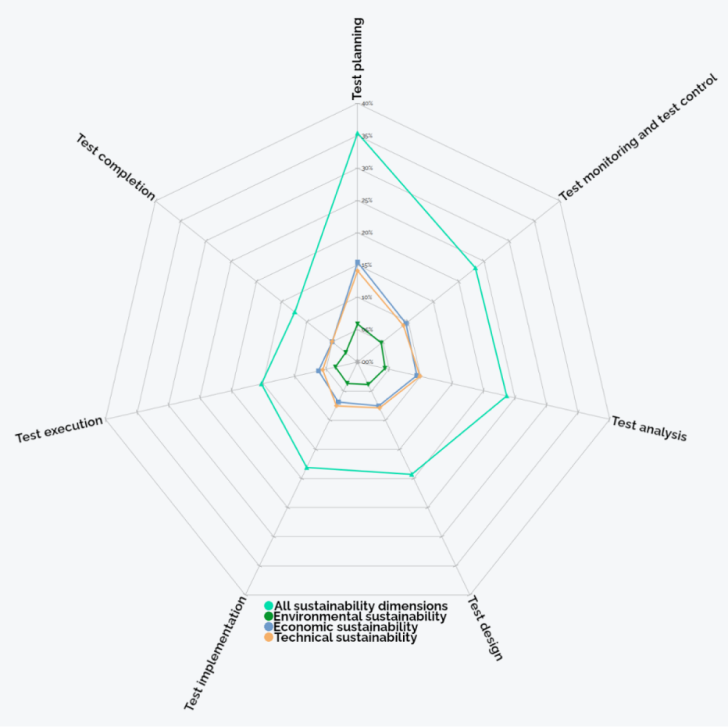
Figure 4: Aggregated Results for each Test Phase
The evaluation also shows that there is a close connection between economic and environmental sustainability. This seems logical, since if fewer resources are used, the cost will ultimately be decreased as well.
Outlook
The second part of this blog will focus on concrete tips for sustainable quality engineering and its relation to the UN Sustainable Development Goals.
The ISTQB boards for the D.A.CH region are currently addressing the topic of “Sustainable Quality Engineering.” The working group comprises Lilia Gargouri and Dietrich Leimsner (GTB), Alessandro Sebaste and Reto Armuzzi (STB), as well as Armin Beer and Stefan Mohacsi (ATB). Preliminary findings have been summarized in a white paper scheduled for imminent publication on the ISTQB website. This three-part blog post offers an exclusive preview of the content.
References
| [1] | G. Brundtland, “Our Common Future (Brundtland Report),” United Nations World Commission on Environment and Development, 1987. |
| [2] | B. Penzenstadler and H. Femmer, “A generic model for sustainability with process-and product-specific instances,” in Proceedings of the 2013 Workshop on Green in/by Software Engineering, 2013. |
| [3] | S. Naumann, M. Dick, E. Kern and T. Johann, “The GREENSOFT Model: A reference model for green and sustainable software,” Sustainable Computing: Informatics and Systems, pp. 294-304, 2011. |